NOURISH THE FIRE
  • Home
  • About
    • Bio
    • Contact
    • Published
    • Favorite Things
  • Yoga | Ayurveda | Nutrition
    • Yoga
    • Ayurveda
    • Nutrition
  • Blog
  • Recipes
  • Offerings
  • Schedule & Events

The Basic Kitchari Recipe

7/24/2023

0 Comments

 
Picture
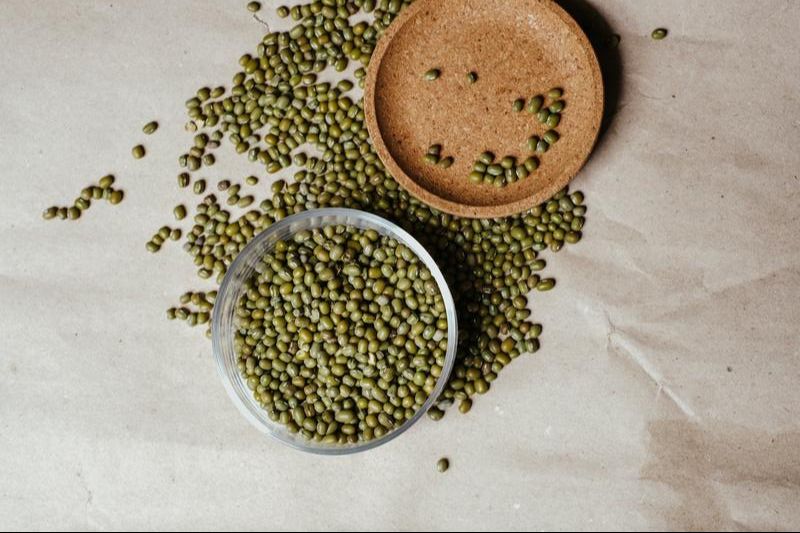
I truly do not know why I haven't posted a recipe of Kitchari up until now. I recently hosted a class at Asheville's Love. Shine. Play festival, and talked all about it. Of course folks would want the recipe, so here we are! 

Why do we love kitchari in Ayurveda? Well, truly the reasons are a million, but here are a few of the most important ones:
  • Easy to digest. Traditionally kitchari is made with yellow mung daal and basmati rice, and a few spices to support healthy digestion. Both the mung and the rice are really easy to digest. From an Ayurvedic perspective, digesting food takes a lot of energy from the body, diverting its attention from other processes such as detoxing. Thus, the simpler the meal, the easier to digest. 
  • Sattvic in nature. I plan on doing a whole post on what is sattva, but again to keep it simple here, just know that it is whole and pure. This in turn supports a healthy mind, body, and spirit. 
  • Easy to make and a million different varieties to go with it! 
Enjoy this simple recipe that is wholesome and nourishing to your whole being. I've also included various riffs off of this basic recipe! 

​Ingredients:
  • Basmati Rice: 1 Cup 
  • Yellow Mung Daal: 1 Cup 
  • Mustard Seed: 1 tsp 
  • Cumin Seed: 1 tsp 
  • Asafoetida Powder: pinch 
  • Freshly Grated Ginger: 1-2 tsp
  • Turmeric: 2 tsp 
  • Salt: To Taste
Recipe:
  • Soak rice and daal overnight or at least 2-3 hours. Scoop the foam off of the top.
  • Warm oil in a big pot. Once it is warm, place mustard, cumin, asafoetida, and ginger in the oil. Allow the spices to temper.
    • Additionally, if you feel so inclined, any additional spice can be thrown in at this time as well. You want the spices to start to pop, and a soft aroma comes off of the pot.
  • Pour the rice and daal into the pot and give it a good mix.
  • Next pour about 2-2.5 cups of water over the top. You want the water to sit about 1 inch above rice/daal combination.
  • Mix in the turmeric and salt.
  • Finally, let the rice and daal cook until nice and soft. Stir every few minutes. You will let it come to a rolling boil and then simmer. You can add in a little water if you want it to be slightly softer.
  • Garnish with some cilantro and enjoy!

Notes:
  • Feel free to add in your favorite veggies during the tempering process: sweet potato, greens, cabbage, squash, and peas are some things I throw in to add in some fiber. Added gold star if you choose seasonal veggies! 
  • Additional spices to think through: I love using whole clove, whole black peppercorn, and whole cinnamon sticks for just enough added warmth without the crazy spice. But I always encourage folks to experiment and do what feels good to them! 
  • Different lentils: Try switching out split moong, whole green moong, or red lentils or add in a little for extra taste. 
  • Add in some quinoa; a little extra protein and macros never hurt! 
  • Cookware: 
    • I typically make my kitchari in an instant pot. Start tempering in saute mode, and then finish cooking on manual mode. For the above recipe, set the manual mode to about 23-25 minutes. 
    • You can also do this on the stovetop, slow cooker, or normal pressure cooker. You may need to adjust the quantity of water OR keep adding water to ensure that everything is being cooked properly. You want the final consistency to be that of porridge. 
Try it out for yourself, and let me know what you think! 
0 Comments

Spiced Milk

3/11/2018

0 Comments

 
Picture
Milk is revered in more ways than just one in Ayurveda. There are so many benefits of drinking milk that I couldn't even get into all of them right here. Specifically, cow's milk is said to be one the greatest medicines to man. It's a great source of healthy fat and proteins that help maintain and nourish our bodies. From an Ayurvedic perspective, milk is said to nourish many of the tissues--including our nervous and fat tissue. It's even great for our skin. However, my favorite quality of milk is its grounding effect on the body. There is nothing like a warm glass of milk in the evening before bed, or on a Saturday morning curled up in bed with a book. 

Of course, the milk that I am promoting comes from cows that are not brought up in factory farms. It's important to know the source of our animal products. If the animals are under stress, then all that energy is going to go into that product, thus affecting our bodies with that same energy. 

Even though I'm not a huge fan of thick milk, I always recommend everyone to drink as close to raw milk as possible. This may be in some form of organic, non-homeginized, full fat milk. (PS--if you are​ like me and don't like the thick milk, make your own less fat milk by just adding water. It's the less processed way of doing it, without taking away the healthy fats that come from milk). 

With all of the benefits that milk has, it can also be hard to digest for many people. Milk can also be tricky in the sense that it increases phlegm production in the body, making it less than ideal in the cold and rainy months. One way to counterbalance those side effects is to add some heating spices to the milk that will help ease the digestion. 

​I love this milk recipe because it's really easy to make, and is so good for the body and mind. A warm glass of milk at night before bed can do wonders on your slumber. It's great for vata, calming the nervous system, and all-around grounding. Make this recipe your own and get creative!

Ingredients:
  • 1 glass of cow's milk (if you are vegan or can't digest cow's milk, try an almond milk)
  • 3/4 tsp cinnamon 
  • 1/2 tsp cardamom
  • 1/2 ginger 
  • Pinch of nutmeg
  • Pinch of saffron 
  • Turbinado sugar to taste 
​
Directions:
  1. Warm the milk on the stove.
  2. Melt the sugar into the milk (I try not to make it too sweet so as not to mask the flavors of the spices). 
  3. Add in all of the spices except saffron.
  4. Bring the milk to an almost-boil, and take it off the stove. 
  5. Crush the saffron strands between your fingers and top it off. Let it steep for just a few minutes as the milk cools. 
  6. Enjoy warm! 

0 Comments

Butternut Curry Soup

10/29/2017

0 Comments

 
Picture
Squash season is here! Who else is excited? As the weather slowly gets cooler and cooler, my body is naturally beginning to crave warmer and warmer; in all regards. Our bodies are pretty miraculous beings. I mean, they are so smart, they naturally know exactly what we need to balance out our external environment and adjust to new changes. It's remarkable. 

So, with that, vata season has officially kicked in. The winds are picking up and the cold is setting in. With all of that, it's important to begin to stay grounded and warm. Always remember, we want to balance out the qualities of the specific doshas by incorporating the opposite into our lives. So warm, oily, slightly heavy--all of this is fantastic for our bodies. 

Mother Nature naturally provides this for us in the types of vegetables that she produces this time of year. Root veggies are the best, as are winter squashes (think acorn, butternut, etc.) 

​This soup recipe is perfect for the autumn season. Warm and grounding, it's the perfect meal for breakfast, lunch, OR dinner! Enjoy this yummy dish. 

Ingredients:
  • 1 butternut squash 
  • 3 tbsp avocado oil 
  • 4 whole cloves 
  • ​1 whole cinnamon stick broken into small pieces 
  • ​3-4 whole bay leaves 
  • 1 leek, chopped 
  • 4 carrots, chopped 
  • 1 tsp turmeric powder 
  • 1 can coconut milk 
  • 1 box vegetable stock 
  • 5 tsp curry powder of your choice 
  • Salt to taste 

Directions:
  1. Preheat oven to 350 degrees. 
  2. Cut the butternut squash in half. Scoop out the seeds. Sprinkle with salt and a little oil. Pop in the oven for approximately 40-45 minutes. 
  3. In a large pot, warm the oil. Add in the clove, cinnamon sticks, and bay leaves. Wait fo them to start sizzling. 
  4. Once the spices are sizzling, add in the leeks and carrots, and begin to cook. 
  5. ​After the leeks have browned a little bit, add in the vegetable stock, and let everything simmer. You want the carrots to be pretty soft by the end of it all. 
  6. When your squash is ready, pull it out of the oven, cut it up into pieces, and pop it into your pot. Give it a good mix.
  7. Time to blend. Feel free to use a blender or immersion blender. Whatever floats your boat. 
  8. Once your soup is at the consistency you like (chunky or smooth--it's your soup!), place it back in the pot. 
  9. Add in the coconut milk, turmeric powder, curry powder, and salt. Give it a good mix. 
  10. Serve warm with your favorite toast. and ENJOY! 

​Bon Apetit my friends! 

Picture
0 Comments
<<Previous
    Thanks for stopping by to check out the latest and yummiest recipes on Nourish the Fire! Be sure to sign up on the home page to receive updates and latest offerings from Nourish the Fire. Enjoy!

    Categories

    All
    Autumn
    Ayurveda
    Breakfast
    Brunch
    Dessert
    Dinner
    Health
    Seasonal
    Side Dishes
    Snacks
    Wellness

    RSS Feed

 © 2025 Nishita Shah. All Rights Reserved. 
  • Home
  • About
    • Bio
    • Contact
    • Published
    • Favorite Things
  • Yoga | Ayurveda | Nutrition
    • Yoga
    • Ayurveda
    • Nutrition
  • Blog
  • Recipes
  • Offerings
  • Schedule & Events