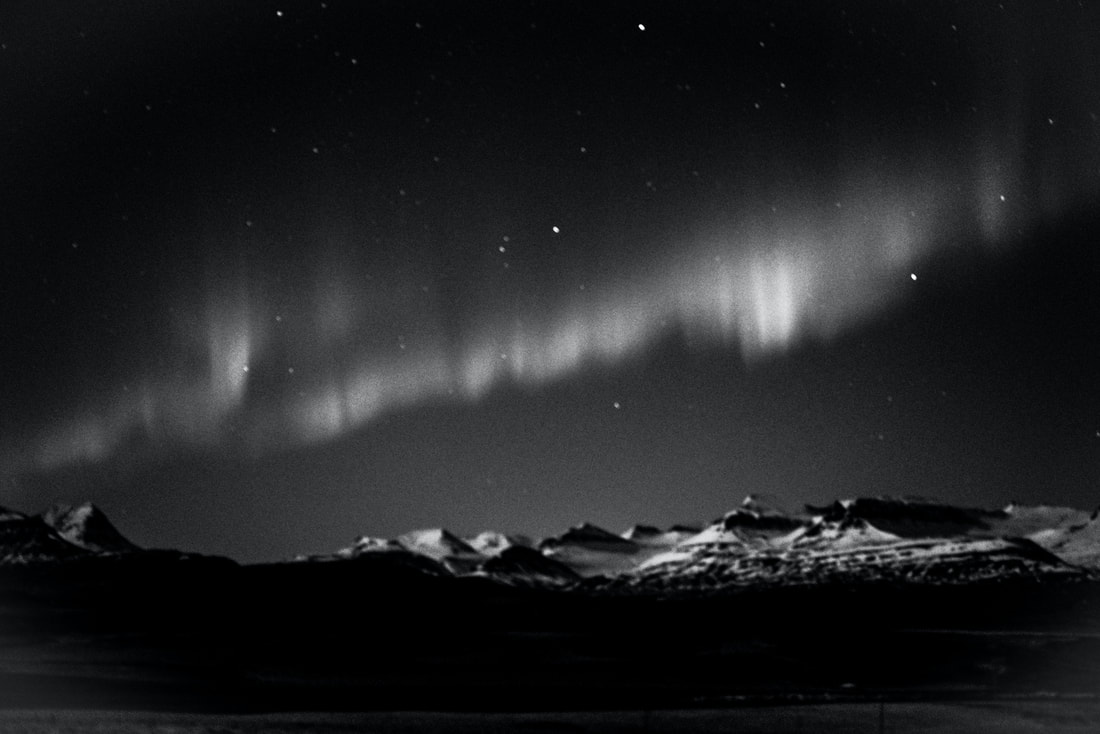
 Happy Thursday all! I hope that this evening finds you well. I hope that this time between Thanksgiving and December holidays are giving you peace and calm rather than the franticness that usually permeates throughout. If anything, I see moments of this energy of just being with vs. trying to get everything done and keeping up, and it feels really sweet to me. That there is a turning energy in our society to return to rest and comfort in what brings us joy rather than an attempt at what may bring us joy.
Me on the other hand am fully enveloped in getting ready to leave for India, after a 4-year hiatus. All I can truly think about is clearing out my refrigerator so that I don't have to end up throwing away a bunch of food, but rather actually being able to use it all in meaningful ways. The challenge is always inspiring, and so far the fruits of my imagination have been lovely. I'm thinking of sharing a few of the products on my Instagram for some inspiration. I've also been cherishing these longer, darker nights, despite the moment of panic that sets in at 6pm each night when I think it is actually 10pm, only later realizing that it is in fact only 6pm. I find these what-seem-to-be drastic changes in light and time comforting to say the least--to be able to live in harmony and sync with Mother Nature and her ebbs and flows. It just feels so nourishing. To be able to wind down and cozy up with a book, or meditation, or some other sort of reflective practice in these dark nights feels special. The inherent internal shift to relax and become in tune with the simplicity of being with the Self and self feels long awaited after a long summer. Nonetheless, I'm finding peace and enjoying the very intentional slowing down rhythm that has been my life the past few days. I'm reminded of the polar nights in these times--where in the North Pole it is dark all day (and night), but then you get these glimmers of the Northern Lights that just permeate through skies--inspiring awe and wonder. In that same vain, the little glimmers of light that just pierce through the darkness of the winter feel so special and something to hold onto and lean into to guide me forward into something the Universe has in store with me. It all just feels so right. Anyways, here are my few random things that are currently in my brain that I'd like to share with you. Enjoy. :)
0 Comments
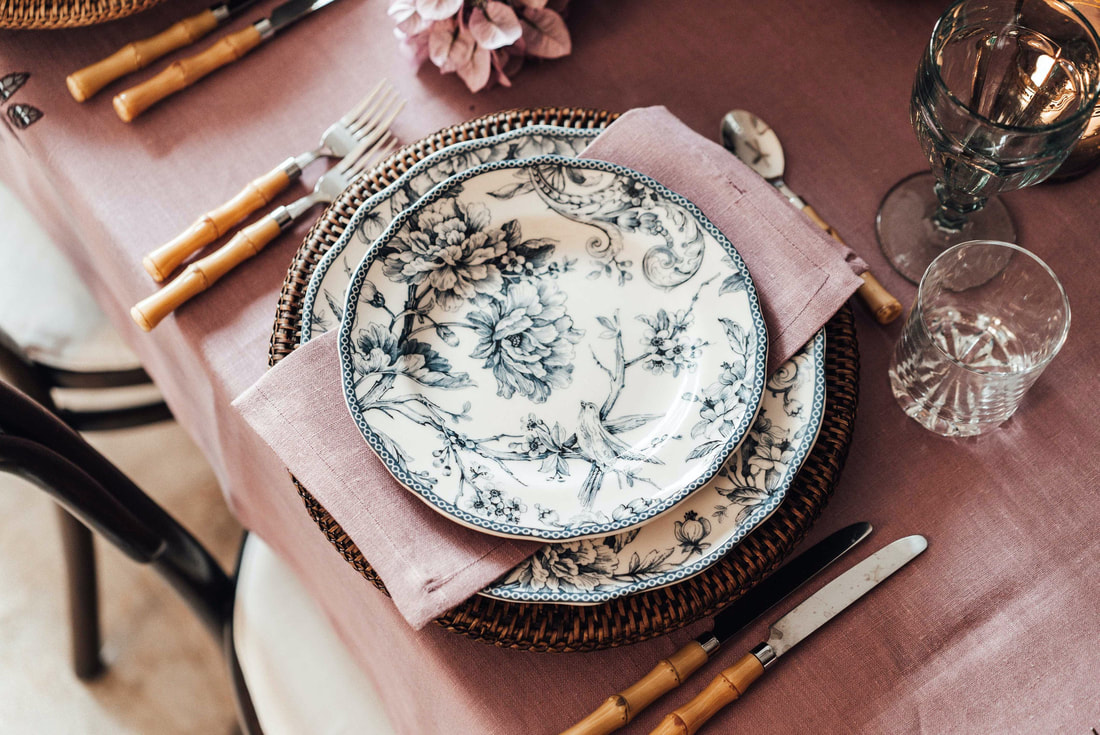 I'm not sure why I felt so compelled to start this, but I thought it would be so fun to share what is on my Thanksgiving menu this year. It's been a while since we've actually had a Thanksgiving meal on the day of. Usually we're traveling somewhere and piece-mealing grilled cheeses together (also a beautiful family tradition of ours)! But if you know me at all, you know how much I love to host and more important love to feed folks, so here is what's happening in the Shah household in a few days, and my overall game plan!
 I guess we can technically say that we're literally in the depths of the summer! It's hot, muggy, the sun is out, and truthfully I wouldn't want it any other way. I am so meant to always be in a balmy 85 degrees. But nonetheless, that doesn't mean I don't learn to live seasonally, which is what Ayurveda is attempting to teach us every day! Anywho...
I wanted to chat a little about healthy exercise and what Ayurveda has to say about activity and moving your body. It's super easy for us to get into this mode "beach body", but what does Ayurveda really have to say about exercise in the summertime? |
 RSS Feed